
By Allison von Ebers, Dixon Resources Unlimited
Why Royal Oak Hit Reset
For many cities, parking evolves in pieces. New equipment is added, policies are updated, and technologies are layered on over time. Each change is well-intentioned, but over the years, those layers can create a system that no longer reflects how people experience parking day to day. Royal Oak’s parking program followed this same path. Over time, the city’s parking program became more complicated, even though the goal stayed the same: make parking a reliable public service. Systems designed to simplify the experience often did the opposite. People were confused by inconsistent rules and disconnected technology, while staff spent too much time troubleshooting systems rather than being in the field to support customers and manage daily operations.
City leadership and the Royal Oak Police Department recognized that incremental fixes were no longer enough. They decided to pause, evaluate what was working and what was not, and reset the program with a long-term view. This approach aims to rebuild community trust by showing a genuine commitment to lasting improvements, not quick fixes.
Reframing Parking as a Citywide Service
Taking that step back changed how the city thought about parking. It became clear that parking is about more than where someone leaves their car — it directly influences how easy it is to spend time downtown, how accessible local businesses are to customers, and how fair the system feels to those who rely on it every day. When parking is confusing or feels inconsistent, frustration tends to spill over into how people view the city’s role in managing shared spaces. When parking works well, it quietly supports downtown activity and makes the area easier to navigate.
This shift in perspective also changed how the city defined success. The goal wasn’t simply to install new equipment or modernize enforcement. It was to reset how parking functions as a public service, making it clearer to understand, easier to use, and ensuring a more consistent application of rules. The focus remains on ongoing improvements to ensure the system adapts and evolves over time, rather than a one-time change.
Choosing a Deliberate Path Forward
Keeping this new perspective at the forefront, Royal Oak moved forward carefully. The city did not try to replace everything at once or rush toward the newest technology on the market. The priority was to choose systems that fit local needs and could work together over time, with enough flexibility to adjust as conditions change. Different parts of the parking program serve different purposes, and the city wanted a setup that could evolve without requiring another full reset in a few years.
As part of that process, the city selected core systems, including pay-by-plate pay stations, mobile and text-to-pay options, citation management software, handheld enforcement devices, and mobile license plate recognition (LPR), designed to operate together as a unified program, ensuring they would share information and work seamlessly. This coordination reduces extra steps for staff and prevents the disconnected workflows that previously caused issues.
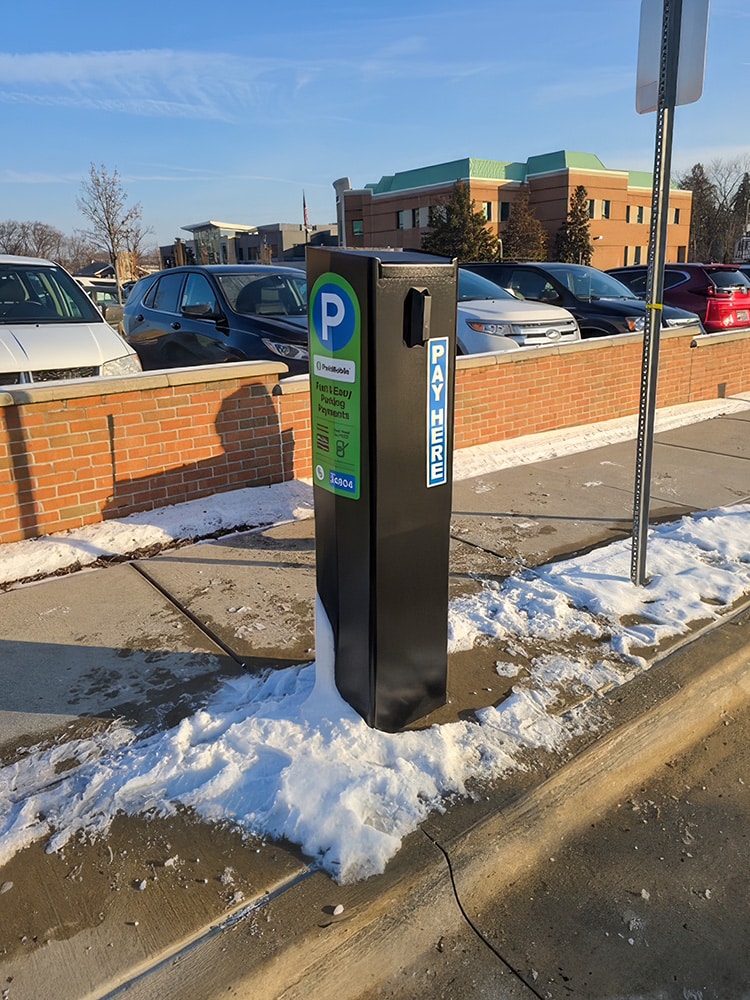
At the same time, the city looked beyond technology. Garages, daily workflows, and public-facing policies were reviewed to ensure the physical spaces and everyday practices supported the changes underway behind the scenes. This included examining how garages operate from a customer’s perspective, how staff use field systems, and how updates and rules are communicated to the public. Pairing system upgrades with changes to day-to-day operations helped avoid the pattern of adding new technology without fixing the processes that shape its use.
Implementation Focused on Continuity and Simplicity
One of the biggest challenges in resetting a parking program is doing it without disrupting people’s routines. Parking is essential for residents, visitors, and staff, and even small changes are quickly noticed. To manage that, the city began with an operational needs assessment to set priorities and sequence changes in a practical way. Core functions were stabilized first, with larger shifts introduced gradually. This phased approach helped ensure stability and build confidence in the process.
Simplifying the experience was another steady focus. Over time, layers of rules, exceptions, and workarounds had made the system harder to follow and difficult to manage. The reset aimed to reduce unnecessary complexity by tightening rules, streamlining processes, and making systems easier to use. For staff, that meant less time spent fixing system issues and more time available to be visible downtown, help customers, and manage daily operations.
This also changed how enforcement fit into the overall picture. Instead of being seen only through the lens of compliance, enforcement staff became more visible in a customer-facing role. Answering questions, helping people navigate new systems, and being present downtown became part of the work. This helped shift the tone of parking management from purely transactional to more approachable for the public.
Engagement, Data, and Early Progress
From the outset, the city knew this work would span departments and involve multiple stakeholders. Parking affects a wide range of city operations, and lasting change depends on coordination. To support that, the city formed a Parking Steering Committee comprised of city staff, Commissioners, and Downtown Development Authority representatives. The group meets regularly to share updates, raise issues, and guide decisions, keeping the work aligned with the City’s broader priorities.
Public outreach was an important part of the process. Events like the Community Parking Open House allowed residents and business owners to see new equipment, ask questions, and share feedback before full implementation. These early conversations helped address concerns, clarify how new systems would work, and demonstrate the city’s commitment to listening. Engaging the community early fostered trust and made the transition smoother.

Data has also become a bigger part of how the city manages parking. Mobile LPR has provided a clearer picture of how parking is used throughout the day. Tracking occupancy and utilization has helped shift decisions on enforcement, technology, and future planning from assumptions to on-the-ground realities.
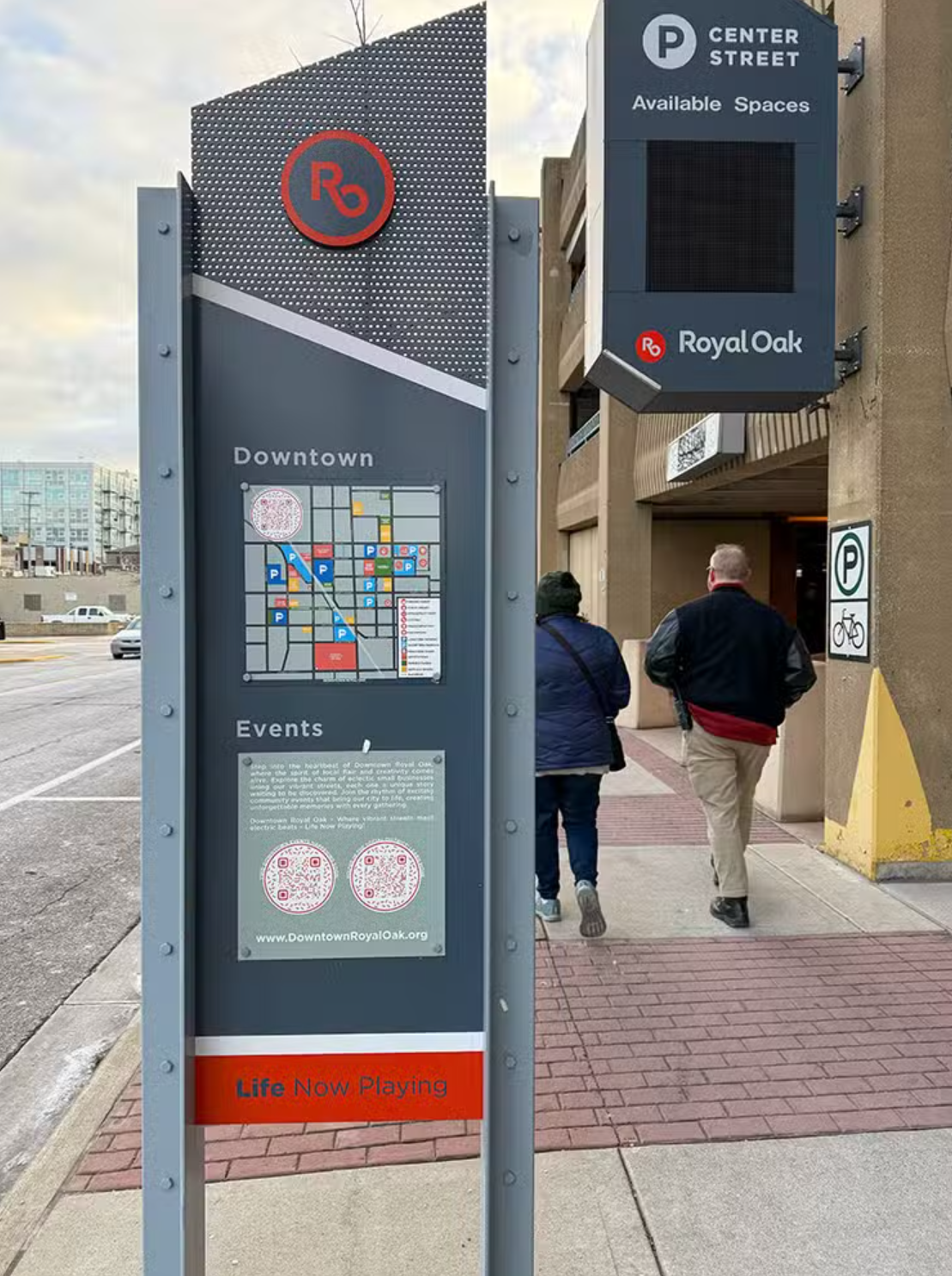
Some early results are already visible. New pay-by-plate pay stations and mobile payment options, including text-to-pay and guest checkout, launched on January 1, 2026. New regulatory and mobile-pay signage is being finalized throughout downtown. Enforcement staff who once spent much of their time reviewing automated citations in the office are now more visible, helping people navigate the new systems and answering questions. Day-to-day operations are more consistent, with fewer system issues and clearer processes for both staff and customers.
The reset is still underway. Additional pieces, including an online permit management portal and expanded use of mobile LPR for both management and data collection, are in progress. These updates will continue to support a parking program that is more consistent, more responsive, and easier for users. As the work continues, the city is staying focused on adjusting the program over time based on real-world use, feedback, and data.
Looking Ahead
Royal Oak’s decision to hit reset reflects a broader shift in how the city views parking. By stepping back and viewing the program as a whole, the city has moved away from one-off fixes toward a more coordinated approach to managing parking as a public service. The changes underway are already making parking easier to use and more consistent across downtown, supporting local businesses and improving the experience for residents and visitors.
As the program continues to take shape, the focus remains simple: provide parking that is easy to use, reliable, and accessible for the Royal Oak community. The reset isn’t a single moment — it’s an ongoing effort to ensure the parking program stays aligned with how people use downtown and to meet the community’s needs.
This article and images were originally published in the IPMI Parking & Mobility Magazine.
Contact us today to explore how DIXON can help you achieve your goals with innovative, customized solutions.

.svg)
.svg)
