

Author: Enya Bours, Dixon Resources Unlimited
In cities across the U.S., parking is unavoidable. Whether you're catching a movie, heading to the dentist, running errands, or dropping the kids at school, parking intersects with nearly every aspect of daily life. As our President, Julie Dixon, says: "Parking touches everything."
At DIXON, our goal is to make parking easy, accessible, convenient, and, above all, a positive experience. One of the most effective ways to achieve this is through thoughtful design. Parking is both the first and last interaction people have when visiting a destination, which means it fundamentally shapes their perception of that place.
Why Design Matters in Parking
Good design is invisible. When parking works seamlessly, people don't think about it twice. But when something goes wrong, such as unclear signage, confusing payment systems, or poorly marked spaces, it leaves a lasting negative impression. Beyond frustration, poor parking design leads to real problems: lost revenue for businesses, congestion from drivers circling for spots, and unintentional violations that feel punitive rather than fair.
There are several critical touchpoints in the parking experience: wayfinding and navigation, accessibility, payment, and customer support. When each of these moments is well-designed, the entire parking experience fades into the background, allowing people to focus on why they came in the first place.
Finding Your Spot
Is the parking easy to locate? Strategic signage placement ensures a stress-free arrival. Real-time availability indicators, such as digital displays showing open spaces or lot capacity, help drivers make quick decisions instead of circling aimlessly.

Once inside a lot or garage, directional signs should be clear and legible at driving speed. Universal symbols ensure that even visitors unfamiliar with the area can quickly identify where to park. This clarity reduces anxiety and saves time for everyone.
Accessibility and Special Parking
Can drivers who need EV charging, accessible parking, or family spaces quickly identify where they belong? Visual hierarchy is essential here: bold colors, larger text, and distinctive symbols help special parking zones stand out. Universal icons communicate purpose instantly, whether it's a charging station, accessible spot, or family-friendly space near an entrance.
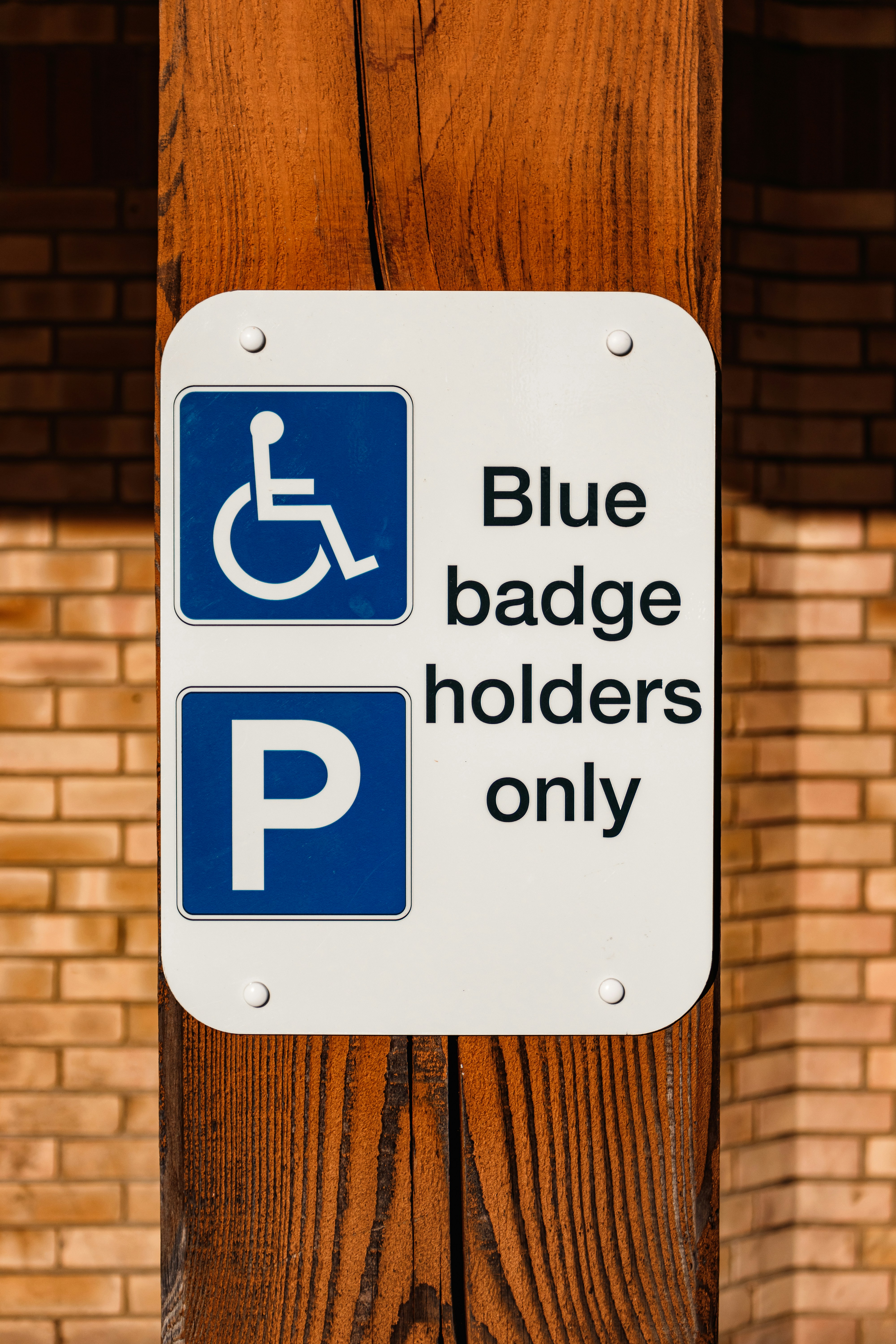

Good design in this area isn't just about convenience. It's about equity and ensuring everyone can access the places they need to go.
The Payment Experience
Payment is often the most dreaded part of parking, so getting it right is crucial. Clear pricing displays should inform visitors of costs before they commit. Parking rules, including where to park, time limits, and payment procedures, must be straightforward. Confusing terminology can lead to accidental violations and frustrated customers.
Parking payment equipment should feature intuitive interfaces with clear instructions. Tickets need to display essential information clearly: time limits, expiration times, and location. Even small details matter; a simple "thank you for visiting" message after payment can transform a transactional moment into a welcoming one.
The exit experience matters too, such as making it easy for drivers to locate their parked car and navigate out of the garage without confusion.
Getting Help When You Need It
Issues inevitably arise: lost tickets, payment errors, and confusion about where you parked. When problems occur, is it obvious how to get help? A visible attendant booth or prominently displayed phone number can turn a stressful moment into a quickly resolved issue. Friendly, accessible support makes all the difference.
Conclusion
Parking is an extension of a city or business's hospitality, and the design of a parking experience sets the tone for the entire visit. When done well, parking becomes invisible - a seamless part of the journey. When done poorly, it's all people remember. Better parking design means less congestion, fewer frustrated drivers, and more accessible spaces for everyone. It's a small change that makes a big difference.
Contact us today to explore how DIXON can help you achieve your goals with innovative, customized solutions.

.svg)
.svg)
