
SPOTLIGHT PROJECT
California State University, Monterey Bay
Parking Technology Roadmap and Long-Term Plan
Parking Technology Roadmap and Long-Term Plan
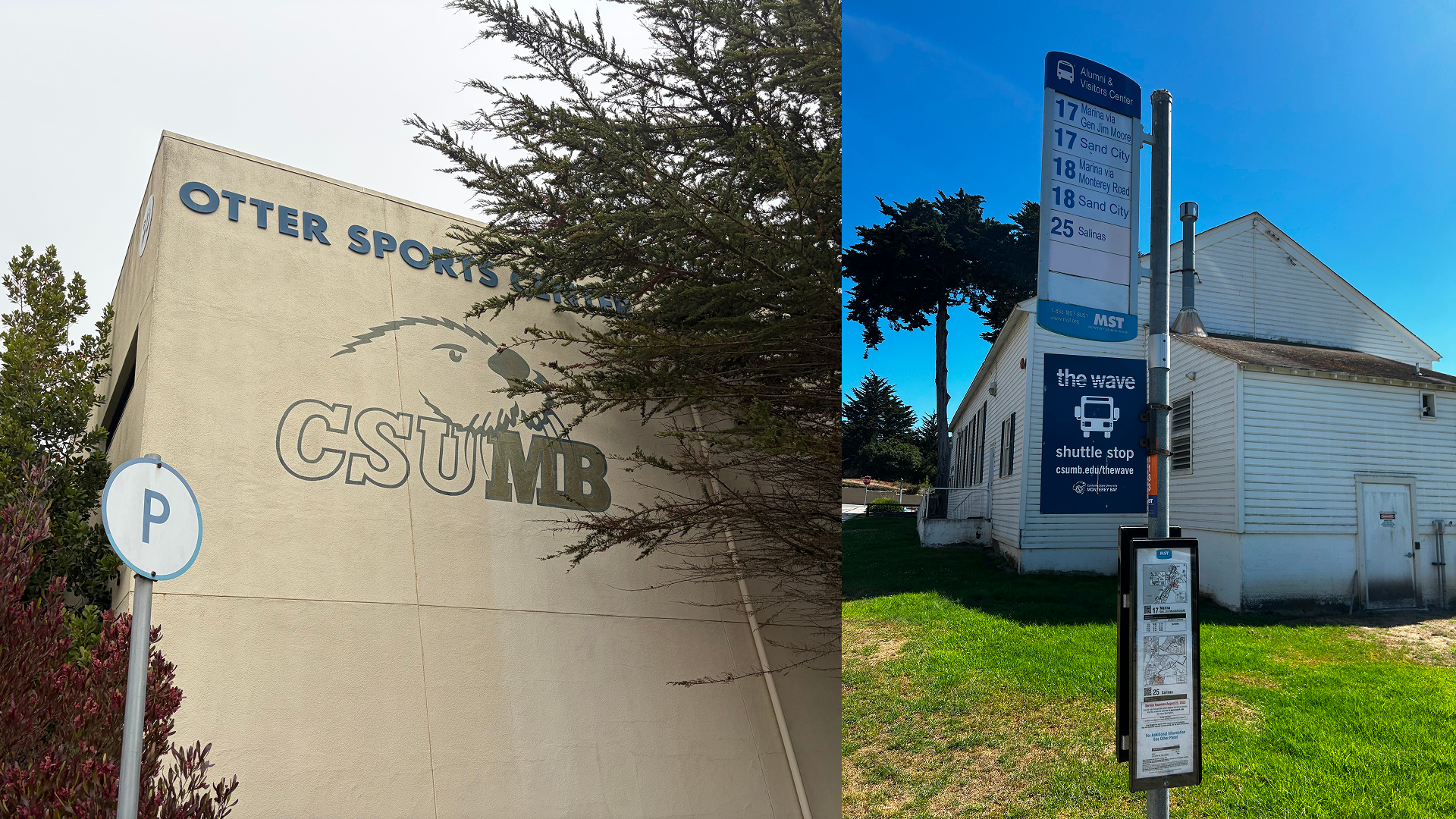
July 2025 - Present | Project Lead: Julie Dixon | Project Support: Blake Thomas
Enrollment at California State University Monterey Bay (CSUMB) has increased exponentially since the University’s founding in 1994, and the campus has struggled to keep up. Expanded development necessitated by this growth has reduced parking inventory, while the University’s current allocation model requires students, staff, and faculty to compete for the same parking. This has resulted in students and staff circling for the few prime spaces while peripheral locations remain underutilized.
Additionally, the widespread use of paper permits and analog permit dispensers has slowed enforcement efforts and precluded more sophisticated methods of managing parking resources. As the University continues to expand, adopting modern parking technology and intelligently allocating parking permits becomes imperative.
Phase 1
CSUMB engaged DIXON in July 2025 to evaluate opportunities for modernizing parking operations and management on campus. DIXON conducted a site visit in August 2025 to both tour the campus and engage key stakeholders. These initial conversations helped DIXON balance the needs of students, staff, faculty, and visitors as the University’s parking system evolves.
DIXON’s work culminated in the Technology Roadmap report, with a comprehensive list of recommendations for the University. DIXON provided further guidance for immediate implementation steps during a second site visit in September 2025. Soon after, DIXON outlined the University’s technology vendor options and considerations in a supporting memo.
Impressed by the findings and recommendations in the Technology Roadmap, the University sought an extension of DIXON’s services to help guide implementation efforts. Phase 2 of the project will involve key technology procurement support, a parking and fleet services business plan, and an additional report detailing specific actions and financial projections.
Our Approach
When taking on a project with such a wide scope, DIXON seeks a comprehensive perspective on the parking system and its context before making any recommendations. Therefore, the project began with a rigorous review of background documentation, financial data, and campus plans.
As the backbone for this initial review, DIXON held an on-campus parking forum with representatives of all key stakeholder groups. Hearing directly from students, staff, faculty, and administrators brought invaluable insight and created a strong direction for the rest of the project.
To bolster their responses, DIXON employed the “Parking Magic Wand,” where we asked how people would change the parking situation on campus if anything was possible. Once all the information had been gathered, DIXON synthesized the insight into actionable, phased recommendations, outlining complementary actions to ensure the University meets its goals.
Key Achievements
• Developed a Technology Roadmap outlining both quick wins and a phased long-term program direction
• Created a strategic procurement framework, including vendor evaluation criteria, recommendations, risk considerations, and prioritized action items
• Conducted on-site stakeholder engagement, receiving detailed, hands-on insight from key stakeholders
• Earned the opportunity to continue our support (Phase 2), reflecting the University’s confidence in DIXON’s findings and strategic direction.
DIXON’s recommendations set the stage for strategic technology adoption and holistic planning to support a seamless, efficient parking system as the University continues to grow.
Phase 2
The University’s decision to extend DIXON’s engagement is a testament to the strength of the findings and work completed in Phase 1. To help implement the recommendations from the first phase of the project, the University enlisted DIXON for additional support throughout the rest of 2026. Key priorities during this second phase include: procuring and implementing a new citation and permit management system; developing a strategy for optimizing the parking organization; and drafting a more focused implementation roadmap.
Supporting these efforts is a comprehensive parking pro-forma to inform debt service planning for future improvements. Additionally, the implementation roadmap will include a detailed sequencing of recommended projects to maximize impact and ensure efficient use of resources. As a guide to the sequencing, the roadmap will also include a parking supply model to determine when and how much parking the University needs to provide to stay on track with its mode split, enrollment, and occupancy goals. Finally, to support procurement of a new citation and permit management system, DIXON will provide an assessment of top vendors based on interviews with peer universities.
Overall, this phase will equip the University with the technological resources, organizational capacity, and strategic direction necessary to transform a fragmented parking system into a modern, self-sustaining operation.
Our goal is to empower seamless global logistics through innovative solutions that drive efficiency andreliability in supply chain management.
Optimized Parking Allocation – Strategically designating lots to optimize staff and faculty parking access, while increasing utilization of underused periphery lots and prioritizing high-impact locations.
Integrated LPR Tech Platform – Pursuing an integrated parking technology system that leverages license plate recognition (LPR) to enable data-driven decision making, real-time parking guidance, enhanced user experience, and efficient enforcement operations.
Organizational Improvements – Developing a model to optimize parking operations, enabling financial self-sufficiency, stronger long-term direction, and ongoing expansion of services built upon a solid organizational foundation.
Our goal is to empower seamless global logistics through innovative solutions that drive efficiency and reliability in supply chain management.
Contact us today to explore how DIXON can help you achieve your goals with innovative, customized solutions.

.svg)
.svg)
