
By Chisa Nagai, Dixon Resources Unlimited
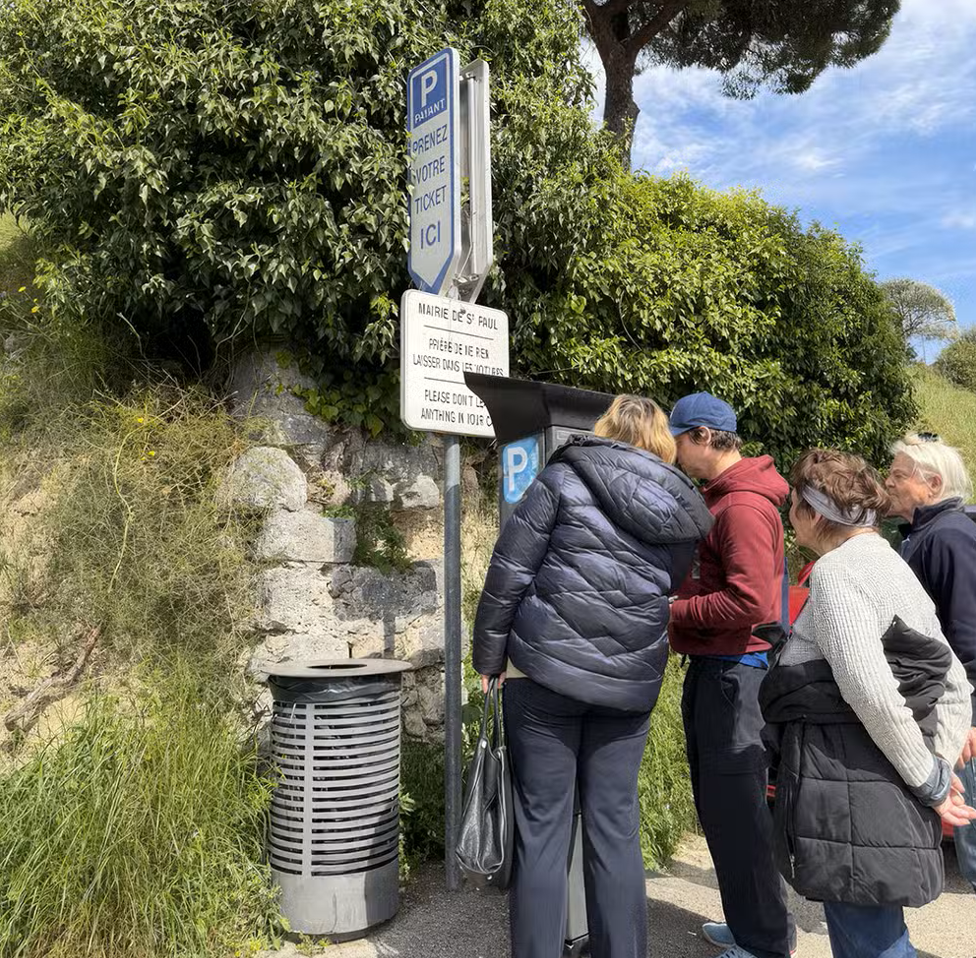
A few months ago, I found myself traveling along the French Riviera, soaking in the stunning landscapes, local cuisine, and rich culture. We had rented a car to visit Saint-Paul-de-Vence, a charming medieval hilltop village about 30 minutes west of Nice. Like so many destinations around the world, the visitor experience began not at a café or a cobblestone plaza, but at a parking lot. It was a moment I could easily imagine playing out anywhere in the United States.
As we pulled our little red Fiat into a space and made our way toward the pay station to start a pay-by-plate session, I noticed a line forming. At the front was a family from Germany, visibly struggling with the machine. The elderly gentleman of the group turned to me with a look of gentle exasperation and said, “Isn’t this supposed to be easy?”
That small moment stayed with me.
It made me think about why parking is often perceived as more complicated than it needs to be, even though it is a fundamental aspect of every driver’s experience. Through my work with various agencies, I have come to understand that parking can be challenging at times because it touches everyone. A young, tech-savvy driver may breeze through a mobile app payment, while an older driver who recently got their first smartphone and is still learning its features with a little help from their grandchildren may find the same process overwhelming. Parking affects people of every age, background, and ability level, which means the systems we build must reflect that reality.
Developing meaningful, accessible, and user-friendly parking programs requires more than good technology. It requires thoughtful planning, genuine community outreach, and strategic implementation to ensure that every community member can access the curb easily, safely, and equitably. Whether that means deploying parking ambassadors to guide visitors through using a pay station or creating a friendly instructional video that removes the mystery from a new mobile app, the goal is the same: ensuring that every community member can access the curb safely, conveniently, and equitably.
In Maui, the county is preparing to launch the Park Maui program at the Kamaole Beach Parks. The rollout has involved a multi-layered outreach and education effort, including a marketing campaign explaining the paid parking policies and their benefits for residents, an instructional how-to video walking users through the available payment methods, and plans to partner with Diamond Parking Services to place parking ambassadors at the beach parks once the program goes live. These ambassadors will be on hand to help both residents and visitors navigate the newly installed pay stations and the Park Maui mobile app.
Paid parking technology may feel like second nature to drivers in major metropolitan cities, but for many community members in Maui, some of whom have never traveled off the surrounding islands, pay stations and parking apps are entirely new experiences. Working closely with the county and understanding the deep sensitivities surrounding the introduction of new parking management policies and technologies made that encounter with the elderly gentleman in southern France feel like a full-circle moment. His question was simple, but it carried real weight: parking should be easy.
As an industry, whether you are a technology provider, a frontline enforcement officer, or a manager, we should aim to design and support parking programs that work for real people. Through our daily operations and lived experiences, we understand that parking touches every aspect of community life because it touches people from every walk of life. Taking strategic, intentional steps to reach those people through education, outreach, and on-the-ground support is not just good practice. It’s the difference between a parking program that merely exists and one that truly serves its community.
This article and image was originally published in the IPMI Parking & Mobility Magazine.
Contact us today to explore how DIXON can help you achieve your goals with innovative, customized solutions.

.svg)
.svg)
